
Printing on Paper Bags, Cardboard Boxes, and Cotton Bags with One Digital Printer
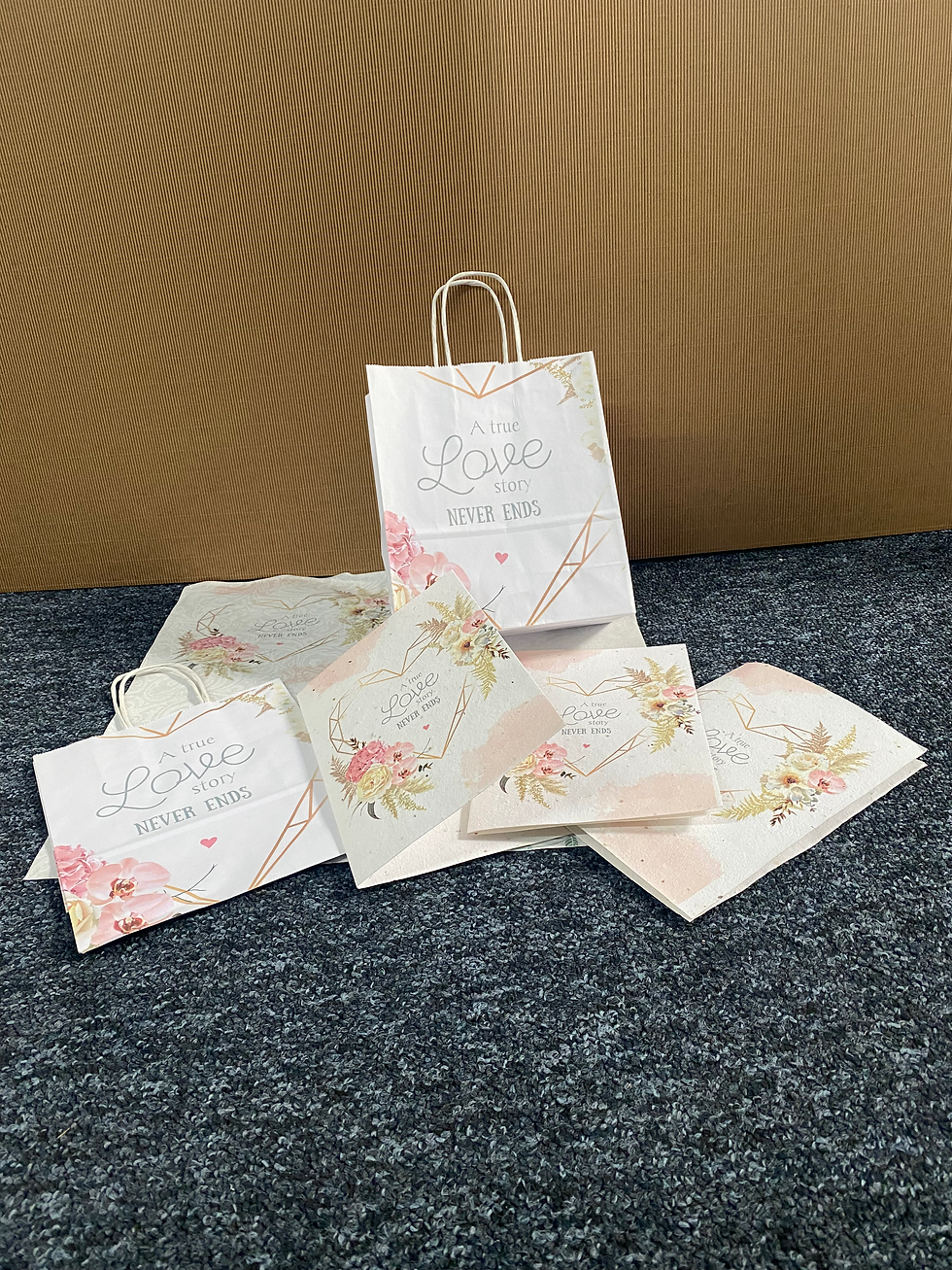
If your business handles more than one type of packaging or promotional material, you already know the problem: paper needs one machine, cardboard needs another, and cotton bags usually mean sending work out to a screen printer or textile shop entirely. Every extra machine means extra floor space, extra training, extra maintenance contracts — and extra time between "the client approved the design" and "the client has the product in hand."
Modern direct printing machines solve this differently. Instead of building a separate line for every substrate, a single digital printer can move from printing on paper bags to cardboard box printing to cotton bag printing — often in the same shift, with the same operator, and without swapping equipment. This article walks through how that works in practice, what to look for in a paper bag printing machine that's built for more than paper, and how TICAB PRINT's TPS and TITAN systems are expanding what "packaging equipment" actually means.
Why Multi-Substrate Printing Is Replacing Single-Purpose Machines
Traditional print production is organized around the material, not the order. A print shop might own a flexo line for cardboard, a separate UV printer for rigid boards, and a subcontractor relationship for anything fabric-based. That structure made sense when digital print heads couldn't handle the physical differences between a thin paper bag and a thick corrugated panel — but that limitation has largely disappeared.
Today's industrial-grade digital printers use adjustable print heights, flexible ink systems (UV-curable, water-based, or hybrid), and smart media handling to print directly onto whatever is loaded — paper, board, fabric, or panel — without a plate, a screen, or a die. That's the foundation of direct printing: no intermediate step between the digital file and the finished surface.
The practical result for a business is simple: one investment covers several product lines instead of one.
Printing on Paper Bags: What a Proper Paper Bag Printing Machine Needs
Custom paper bags are one of the most common packaging requests in retail, food service, and gifting — and one of the easiest to get wrong with the wrong equipment. Paper is thin, sometimes textured, and often already has handles, folds, or seams before it ever reaches a printer.
A dedicated paper bag printing machine needs to manage:
Variable surface texture — kraft paper, coated paper, and recycled stock all absorb ink differently.
Pre-formed shapes — many paper bags are printed after assembly, not before, so the machine needs to accommodate handles and gussets.
Fast curing — paper bags move through high volumes, so ink needs to set almost immediately to avoid smudging during handling.
This is where custom printed bags businesses see the clearest ROI from digital: short runs, one-off designs, or client-specific branding no longer require a minimum print quantity to be cost-effective. A café can order 50 branded bags for a seasonal promotion just as easily as a distributor orders 5,000.
Cardboard Box Printing: From Flat Sheets to Corrugated Structures
Cardboard box printing covers a much wider range of materials than people expect — flat greyboard, single-wall corrugated, double-wall corrugated, and pre-die-cut boxes all behave differently under a print head. The jump from paper to cardboard is really a jump in thickness, rigidity, and surface variation, and it's the point where a lot of "paper-only" machines stop being useful.
A printer capable of true cardboard box printing needs adjustable bed height and print-head clearance to handle everything from a thin mailer box to a heavy-duty shipping carton, plus enough ink density control to print clean, opaque graphics on brown, uncoated corrugated surfaces — not just white coated board.
This matters for e-commerce brands, subscription box companies, and contract packagers who need branded exteriors without outsourcing to a separate corrugated printer for every job. Printing directly onto the finished box — rather than printing labels and applying them — also removes a full production step and reduces material waste.
Cotton Bag Printing and Digital Printing on Fabric
Cotton bag printing sits in a different category technically, but not operationally, from paper and cardboard — and that's exactly the gap multi-substrate digital printers are built to close. Tote bags, canvas pouches, and cotton packaging inserts require digital printing on fabric, which means the machine has to manage ink absorption into woven fibers rather than a flat coated surface.
Where screen printing requires a new screen (and setup cost) for every design, digital fabric printing works file-to-surface, the same way paper printing does. That makes it realistic to offer:
One-off or small-batch cotton bag printing for boutique retailers
Full-color, photographic designs that would be cost-prohibitive to screen print
Fast turnaround on client proofs and sample runs before committing to bulk production
For a packaging or promotional products company, being able to quote cotton tote printing with the same equipment used for paper bags — instead of subcontracting it out — keeps the client, the margin, and the timeline in-house.
Beyond Packaging: Wood and Plywood
This is where the positioning really shifts. A digital printer capable of paper, cardboard, corrugated board, and cotton textiles is, by definition, already handling a wide range of thickness, rigidity, and absorbency — which means rigid organic materials like wood and plywood are a natural extension rather than a separate product category.
Direct printing onto wood and plywood panels opens up applications well outside traditional packaging:
Branded wooden crates and gift boxes
Signage, wayfinding panels, and point-of-sale displays
Furniture components and decorative panels
Plywood packaging for premium or artisanal products
For a business that already owns the equipment for paper and cardboard, adding wood and plywood to the service list doesn't require new machinery — only a bed and head-height adjustment and a material-appropriate ink setting.
Meet TPS and TITAN: One Platform, Six Material Categories
TICAB PRINT built the TPS and TITAN systems around exactly this shift — from single-substrate packaging printers to genuine multi-material direct printing machines.
TPS is engineered for flexible and semi-rigid materials — paper, cardboard, and cotton textiles — making it the practical entry point for businesses producing custom paper bags, custom printed bags, and small-to-mid volume cardboard work, along with fabric printing for tote and canvas bags.
TITAN extends that same digital, plate-free workflow to rigid and heavier substrates — corrugated cardboard, wood, and plywood — for businesses producing shipping cartons, branded crates, signage, or panel products alongside their existing packaging lines.
Together, the two platforms cover:
Paper → Cardboard → Corrugated Cardboard → Cotton Textiles → Wood → Plywood
That range means a packaging producer, a promotional products company, or a small-batch manufacturer can consolidate what used to be three or four vendor relationships into one in-house production line.
Why One Machine Beats Several
The case for consolidating around a single paper bag printing machine that also handles cardboard, cotton, and rigid panels comes down to three things:
Lower total cost of ownership. One machine, one maintenance contract, one set of consumables — instead of separate equipment (and separate service contracts) for each material.
Faster turnaround. No handoffs between departments or subcontractors means a design can go from file to finished product in one continuous run.
Broader service offering without new hires. The same operator running paper bag jobs in the morning can run a cotton tote batch or a plywood panel job in the afternoon, without retraining on a different system.
For businesses currently limited to "packaging printer," this kind of multi-substrate capability changes what they can sell — from a single product category into a full-service print production offer.
Getting Started
Whether the immediate need is printing on paper bags for a retail client, cardboard box printing for an e-commerce brand, or expanding into digital printing on fabric and rigid panel materials, the underlying decision is the same: does the equipment grow with the range of jobs coming in, or does it lock the business into one material forever?
TICAB PRINT's TPS and TITAN systems are built around the first answer — one digital, direct-to-substrate platform that moves from paper to cardboard to corrugated board to cotton to wood to plywood, so the equipment adapts to the order book instead of the other way around.


Comments